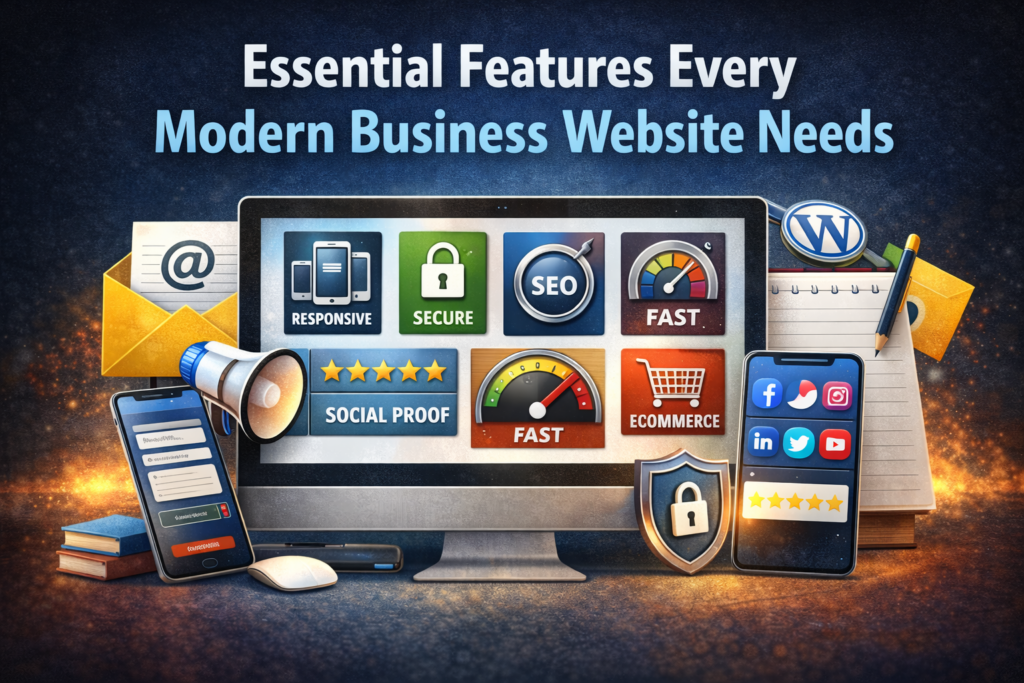
Essential Features Every Modern Business Website Needs explained in detail. Discover the must-have website elements that boost SEO, increase trust, and drive more sales for your business.
In today’s digital world, your website is your storefront, sales team, and brand ambassador—all rolled into one. If you want to stay competitive, understanding the Essential Features Every Modern Business Website Needs is no longer optional—it’s critical.
Customers judge your credibility within seconds. Search engines evaluate your structure and performance constantly. And competitors? They’re upgrading every day.So what exactly makes a modern business website successful? Let’s break it down step by step.
1.Why Modern Businesses Can’t Survive Without a Strong Website
Let’s be honest—if your business isn’t online, it almost doesn’t exist.
Today’s customers:
- Search online before purchasing.
- Compare reviews.
- Check credibility.
- Expect fast responses.
A strong website builds trust, improves visibility, and increases sales. Without the right features, however, even the most beautiful website can fail.
2.Mobile-Responsive and Adaptive Design

More than half of internet traffic comes from mobile devices. That means your website must look and function perfectly on smartphones and tablets.
Why Mobile-First Design Matters
Search engines use mobile-first indexing. If your site doesn’t perform well on mobile:
- Rankings drop.
- Bounce rates increase.
- Conversions decrease.
Responsive vs Adaptive Layouts
- Responsive design adjusts automatically to screen size.
- Adaptive design uses specific layouts for specific devices.
Responsive design is generally the better long-term solution.
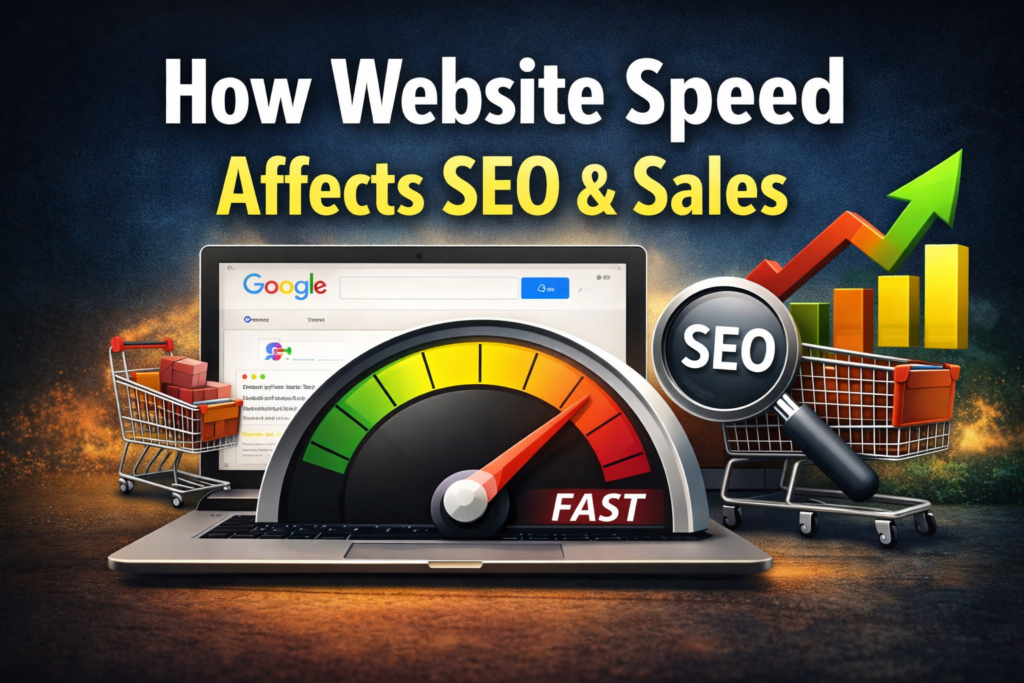
3.Fast Loading Speed and Performance Optimization
Speed is everything.
Impact on SEO Rankings
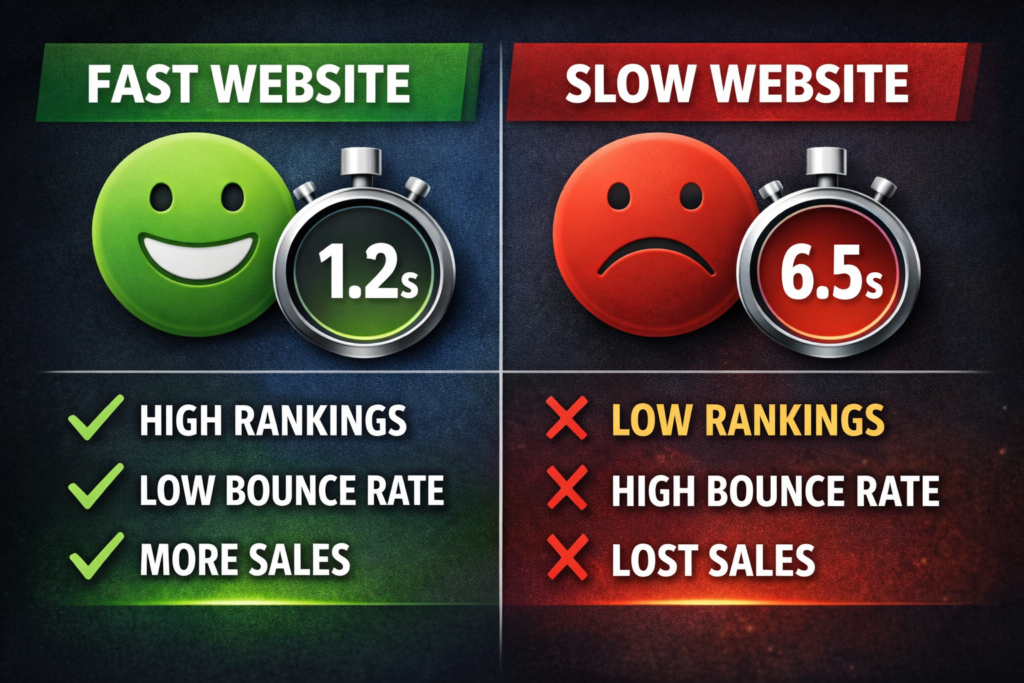
Search engines prioritize fast websites. A slow-loading page reduces crawl efficiency and ranking potential.
Use tools like Google PageSpeed Insights to test performance:
https://pagespeed.web.dev/
Impact on Conversion Rates
Studies show:
- 1-second delay can reduce conversions by 7%.
- Users leave sites that take more than 3 seconds to load.
Speed equals revenue.
4.Clear Navigation and User-Friendly Structure
Confused visitors don’t convert.
Simple Menu Structure
Your menu should:
- Be easy to read.
- Avoid clutter.
- Clearly separate services, products, and contact information.
Internal Linking Strategy
Internal links:
- Help search engines understand your site.
- Improve user experience.
- Increase time on site.
Strong Homepage Value Proposition
Your homepage must immediately answer:
Who are you?
What do you offer?
Why should customers choose you?
Above-the-Fold Content
The first visible section should include:
- Clear headline
- Short description
- Call-to-action button
Clear Call-to-Action
Examples:
- Get a Free Quote
- Contact Us Today
- Start Your Free Trial
Without a CTA, visitors won’t take action.
5.SEO-Optimized Structure and Content
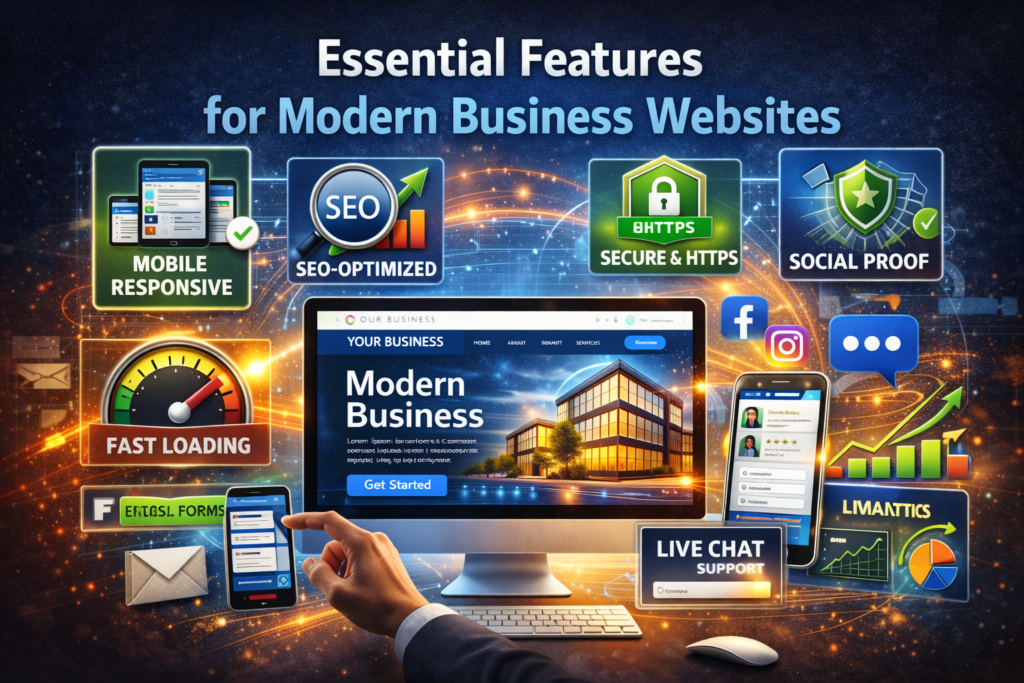
A website without SEO is invisible.
On-Page SEO Elements
Include:
- Optimized title tags
- Meta descriptions
- Proper header tags (H1–H6)
- Alt text for images
- Keyword placement
Technical SEO Essentials
- XML sitemap
- Robots.txt file
- Clean URL structure
- Structured data markup
SEO ensures long-term visibility.
6.Secure Website (HTTPS and SSL Certificate)
Security builds trust.
Websites without HTTPS show “Not Secure” warnings. This reduces:
- Credibility
- Conversions
- Search rankings
Always install an SSL certificate.
7.High-Quality Content Strategy
Content is what attracts visitors and keeps them engaged.
Blogging for Authority
Regular blog posts:
- Improve SEO.
- Establish expertise.
- Drive organic traffic.
Service and Product Pages
Each service should have:
- Detailed explanation
- Benefits
- FAQs
- Clear CTA
8.Contact Information and Lead Capture Forms
Make it easy for customers to reach you.
Include:
- Contact form
- Email address
- Phone number
- Business location (if applicable)
Add lead magnets like:
- Free guides
- Consultations
- Discounts
9.Social Proof and Testimonials
People trust people.
Include:
- Customer reviews
- Case studies
- Star ratings
- Client logos
Social proof increases credibility instantly.
10.Integration with Social Media Platforms

Link your website to platforms like:
- YouTube
Social media integration:
- Expands reach
- Builds brand awareness
- Encourages engagement
11.Analytics and Performance Tracking
Without tracking, you’re guessing.
Install:
- Google Analytics
- Google Search Console
- Conversion tracking tools
Data helps you improve continuously.
12.E-commerce Functionality (If Applicable)
If you sell products online, ensure:
- Secure payment gateways
- Simple checkout process
- Product search filters
- Order confirmation emails
A complicated checkout process kills sales.
13.Accessibility and Compliance Standards
Your website should be usable for everyone.
Follow:
- WCAG guidelines
- Proper contrast ratios
- Alt text for images
- Keyboard navigation support
Accessibility improves both user experience and legal compliance.
14.Regular Maintenance and Updates
Websites are not “set and forget.”
You must:
- Update plugins
- Fix broken links
- Refresh content
- Monitor security
Regular maintenance keeps performance strong.
15.Frequently Asked Questions
1. Why is mobile responsiveness so important?
Because most users browse on mobile devices, and search engines use mobile-first indexing.
2. How fast should a business website load?
Ideally under 3 seconds.
3. Does SEO really matter for small businesses?
Yes. SEO helps small businesses compete with larger brands.
4. Is HTTPS necessary for non-ecommerce websites?
Yes. It improves trust and search rankings.
5. How often should I update my website?
Review and update content at least once every few months.
6. What is the most important feature of a modern website?
User experience combined with speed and SEO optimization.
16.Conclusion:
We Help You Build a Website That Has All These Essential Features
Now that we’ve explored the Essential Features Every Modern Business Website Needs: 15 Powerful Must-Haves for Success, one thing is clear — most business websites fail not because of design, but because they miss these critical elements.
Slow loading speed, poor mobile responsiveness, weak SEO structure, lack of security, confusing navigation, and missing conversion elements — these are the real reasons businesses struggle online.
At iqbirds.com, we solve these problems.
We don’t just build websites — we create strategic, performance-driven digital platforms that include:
- Mobile-responsive and modern design
- Fast loading speed optimization
- SEO-ready structure for higher rankings
- Secure HTTPS implementation
- Clear navigation and strong user experience
- Lead capture and conversion-focused layouts
- E-commerce integration (if needed)
- Ongoing maintenance and support
Our goal is simple:
To build websites that don’t just look good — but actually generate traffic, leads, and sales.
If your current website is missing these essential features, it’s time to upgrade. And if you’re starting fresh, let’s build it the right way from day one.
Ready to grow your business online?
Contact us today at iqbirds.com and let’s turn your website into a powerful growth engine.